Onward Ticket: What Travelers Need to Know About Proof of Onward Travel
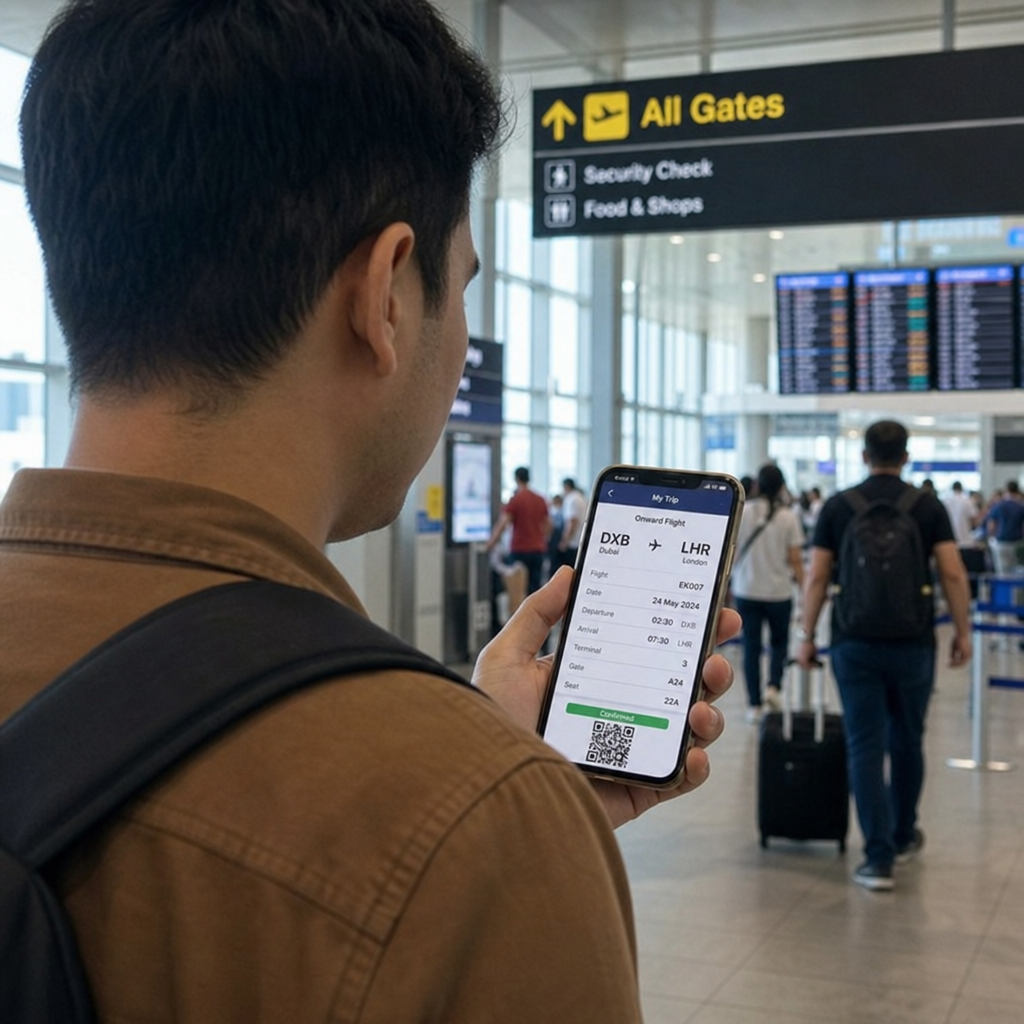
Travelers planning international trips may be asked to show proof of onward travel before they are allowed to board a flight or enter a country. An onward ticket is travel documentation showing that a visitor has plans to leave the destination within the period allowed by immigration rules. The request can come from airline staff at check-in, border officials on arrival, or both.
What is an onward ticket?
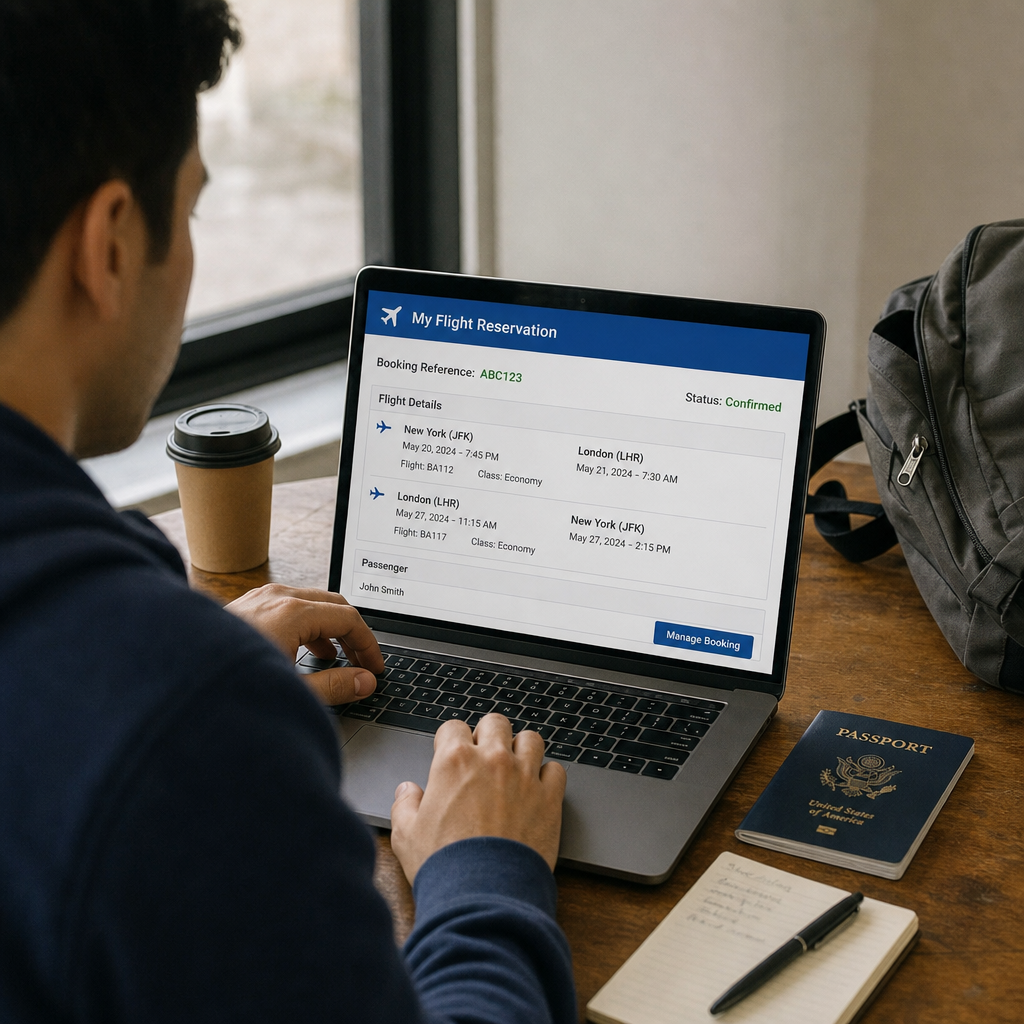
An onward ticket is a confirmed travel reservation that shows a traveler intends to depart the country they are entering. In most cases, it is a flight reservation out of the destination, but it may also be another acceptable form of transportation, such as a bus, train, ferry, or separate international flight, depending on the country’s rules and the carrier’s procedures.
The key point is that the document must show a route leaving the country or region where the traveler is seeking entry. For example, a visitor flying into one country on a tourist stay may need to show a later ticket to another country or a return ticket home. The ticket does not necessarily have to be on the same airline as the inbound journey, but the details should be clear enough for staff to verify the traveler’s intended departure.
Proof of onward travel is especially relevant for travelers entering on visa-free arrangements, tourist visas, or short-stay permissions. These categories often require visitors to show that their trip is temporary and that they do not intend to remain beyond the permitted period.
Why airlines and immigration authorities ask for proof
Airlines and immigration authorities may request proof of onward travel because many entry systems are built around temporary admission. If a visitor is allowed to enter for a limited time, officials may want evidence that the person has made arrangements to leave before that permission expires.
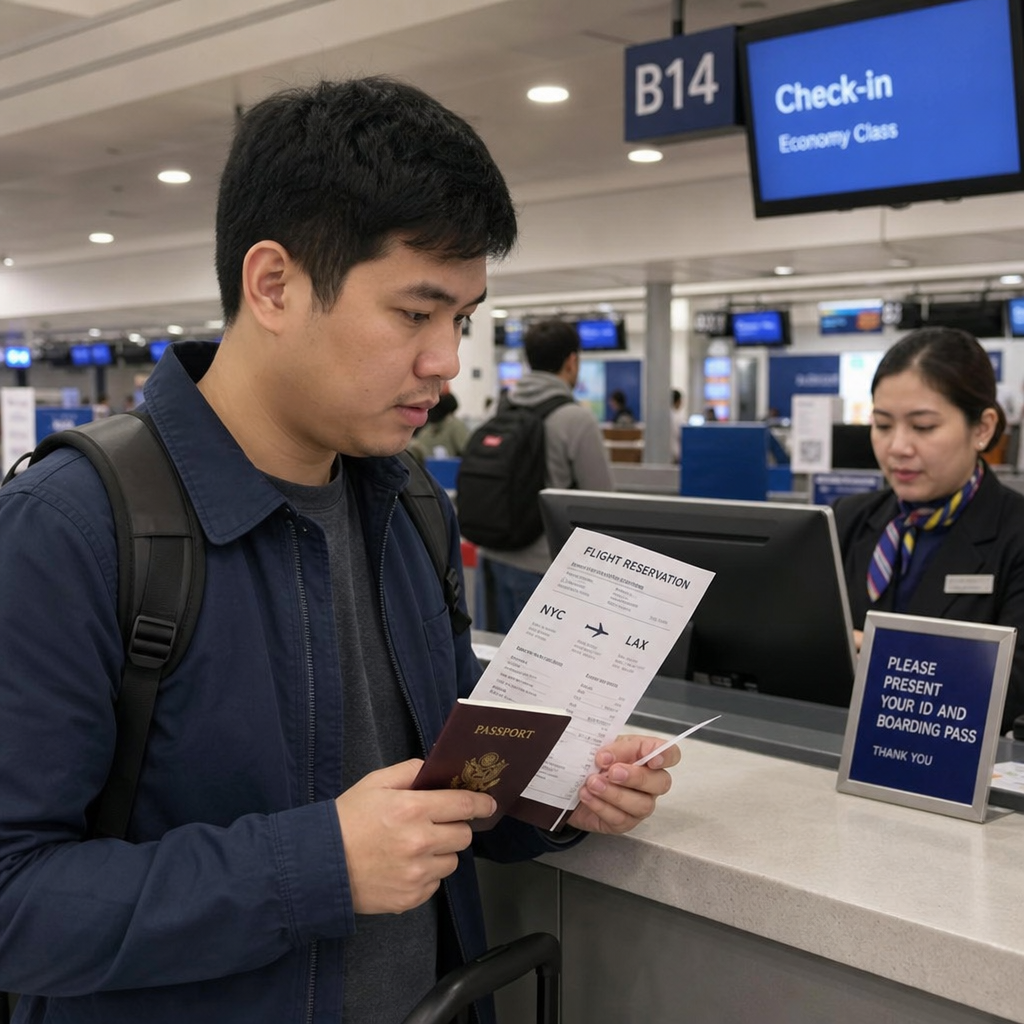
For airlines, the issue is often procedural and financial. Carriers may be responsible for transporting a passenger back if that passenger is denied entry at the destination. As a result, airline check-in staff may review immigration requirements before boarding and ask passengers to provide an onward ticket, return ticket, visa, passport validity, or other travel documentation.
For immigration authorities, proof of onward travel can help support the traveler’s stated purpose of visit. It does not guarantee entry, and it is not the only factor considered. Officers may also review passport validity, visa status, accommodation details, funds, length of stay, and the consistency of the traveler’s explanation.
Requirements vary by country, nationality, visa type, and route. Some travelers are never asked for an onward ticket, while others may be asked repeatedly on similar trips. Because enforcement can happen at check-in before departure, waiting until arrival to resolve the issue may create a risk of denied boarding.
How onward-ticket services are used
Onward-ticket services are used by some travelers who need short-term proof of onward travel but have not finalized the next stage of their trip. These services generally provide a temporary flight reservation in the traveler’s name for a route leaving the destination country. The reservation may be valid for a limited period, which is why timing is important.
The service is different from buying a full ticket that the traveler intends to use. It is typically used to show a verifiable reservation for documentation purposes, often close to the time of check-in or border screening. Travelers may use this option when their plans are flexible, when they are traveling long term, or when they want to avoid buying a ticket they may later need to change or cancel.
The concept is straightforward, but travelers should treat it carefully. A document that cannot be verified, contains incorrect passenger details, or expires before it is checked may not satisfy airline or immigration staff. Travelers should also remember that an onward ticket is only one part of the entry process and does not replace visas, passport requirements, or other required documents.
Common pitfalls and scams to avoid
The growth of flexible travel has created demand for quick proof of onward travel, but it has also created room for misleading offers. Travelers should be cautious when a provider promises guaranteed entry, uses vague language about whether the reservation is real, or offers documents that appear edited rather than generated through a legitimate booking process.
Common warning signs include:
Unverifiable reservations: A document with no booking reference, no airline-recognized record, or details that cannot be checked may fail when reviewed.
Incorrect personal information: A name mismatch, wrong passport spelling, or inaccurate travel date can make the document unusable.
Expired reservations: Some temporary flight reservations lapse quickly. If the document expires before airport check-in or immigration review, it may no longer serve its purpose.
Fake guarantees: No onward-ticket provider, travel agent, or airline document can guarantee entry into a country. Immigration authorities make the final decision.
Hidden charges or unclear terms: Travelers should understand the cost, validity period, refund policy, and what exactly is being provided before paying.
Responsible use starts with reading the destination’s entry rules and the airline’s documentation guidance. If the rules require a return or onward ticket, travelers should decide whether to purchase a usable ticket, book a refundable option, use a legitimate reservation service, or make confirmed onward travel plans by land or sea where accepted.
Practical guidance for travelers
Travelers can reduce problems by checking requirements before they arrive at the airport. The most reliable starting points are official government immigration resources, airline pre-travel guidance, and visa documents issued for the trip. Because rules can vary by nationality and visa category, advice that applied to another traveler may not apply to the same route.
Before departure, travelers should prepare documentation that is accurate, current, and easy to present. A printed copy can be useful if airport Wi-Fi is poor or a phone battery runs low, while a digital copy helps when documents need to be sent or shown quickly.
A responsible approach includes:
Confirm the rule for the destination. Check whether proof of onward travel is required, recommended, or commonly requested for your nationality and visa type.
Match the timing to your stay. The onward date should fall within the allowed period of entry, unless the visa or permit clearly allows a longer stay.
Use consistent details. Passenger name, route, date, and booking information should match your passport and travel plans.
Keep supporting documents nearby. Accommodation details, visa approvals, financial evidence, and travel insurance may also be requested.
Avoid altered documents. Edited screenshots, fabricated itineraries, and false confirmations can create serious travel and legal consequences.
Have a backup plan. If a reservation cannot be verified, be ready to buy a qualifying ticket or adjust travel plans before the check-in deadline.
What happens next at the airport or border
In practice, proof of onward travel is usually checked quickly. Airline staff may ask for the document during check-in, especially when the destination is known to require evidence of exit plans. Border officials may ask again on arrival, particularly if the traveler has a one-way ticket, a long proposed stay, or unclear onward plans.
The safest position is to treat the onward ticket as part of a broader travel documentation file, not as a shortcut around immigration requirements. Travelers who understand why the document is requested, prepare it in advance, and avoid unverifiable offers are less likely to face delays or denied boarding.
As international travel remains documentation-heavy, the onward ticket continues to serve a practical function: it helps show that a trip is temporary and that the traveler has a plan to leave. For passengers with flexible itineraries, the challenge is to meet that requirement honestly, clearly, and in a way that can withstand routine checks.